


Normalized Graded Pace (NGP) is the adjusted pace reported from a global positioning system (GPS), or other speed/distance device, that reflects the changes in grade and intensity that contribute to the physiological cost of running on varied terrain. We can derive NGP from flatland running, such as on a running track, but NGP really shines when applied to pace data obtained on undulating or even hilly terrain.
Some readers, who come from cycling backgrounds and have used power meters, may recognize the similarity in name of NGP with Normalized Power (NP) from cycling. The inspiration for NGP came from the work of Andrew Coggan, Ph.D. and his development of NP. For coaches and/or athletes who participate in multi-sports, and have used NP and Training Stress Scores (TSS) for cycling, there has been a great desire to extend the principles and utility of the NP/TSS system to other disciplines. The obvious first extension that comes to mind is running. The recent availability of downloadable GPS recording devices makes the adaptation of the NP/TSS system to running an attractive proposition. An in depth discussion of the concepts of NP and TSS can be found here.
The long and the short of it, however, is power is the cycling analog of pace in running. In fact, if we plotted power vs. pace at a constant speed, for a given runner, there would be a very close relationship; they change proportionally. So, if you are a runner, and you track training based on pace, you are indirectly tracking power. So, the underlying principles of NP in cycling hold for what can be termed Normalized Graded Pace (NGP) in running.
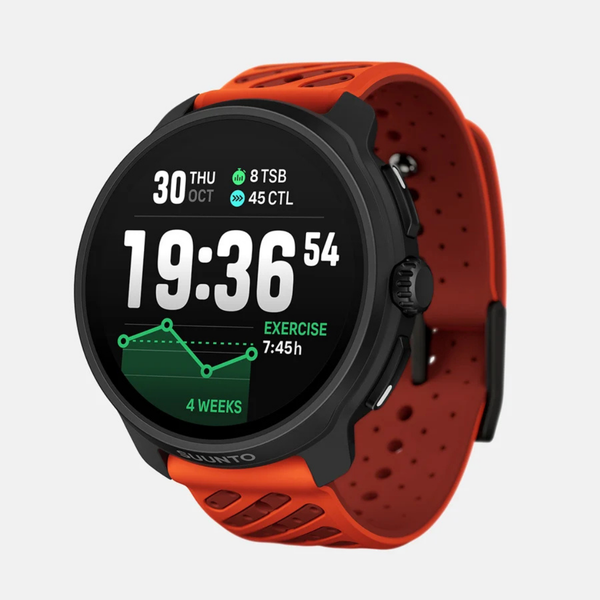
Suunto watches support NGP (Normalized Graded Pace) calculation, allowing users to set their watches to display NGP data in real time. This helps runners better monitor their training intensity, especially during hill workouts. In addition, NGP data is also displayed alongside training records in the Suunto app.
Learn more about Suunto Watches : https://suunto.com.hk/collections/sports-watches


